

BML restricts overseas card use as dollar squeeze persists
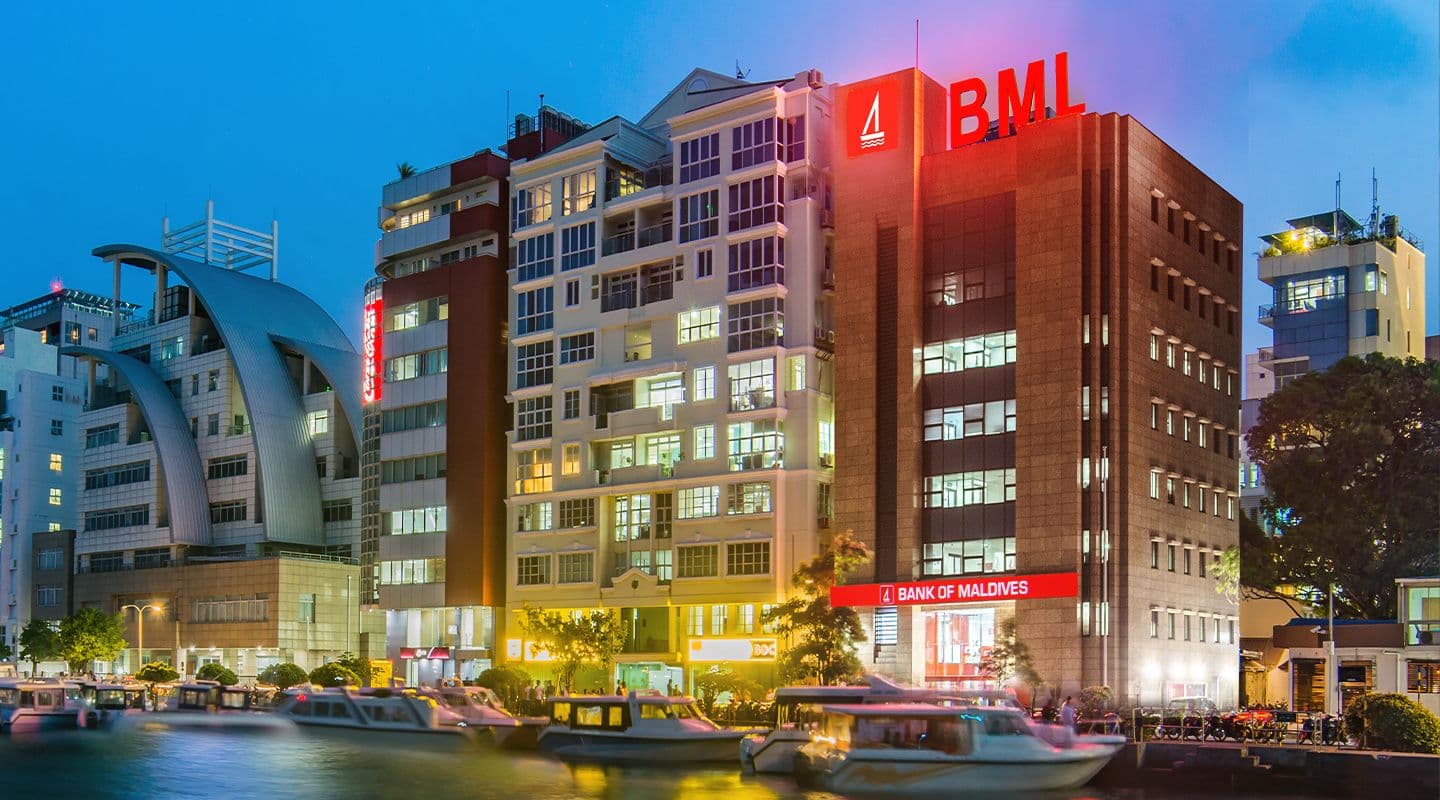
Bank of Maldives, the country's largest commercial bank, has tightened the rules on how its locally issued debit and credit cards can be used overseas, the latest in a sequence of measures from the financial sector aimed at managing a stubborn shortage of US dollars in the system. The new restrictions, which took effect over the weekend, narrow the circumstances under which cards held in Maldivian rufiyaa accounts can be used at international merchants and on certain e-commerce platforms.
In a notice to customers, the bank said the changes were intended to balance the demand for foreign-currency transactions against the volume of dollars actually available in the banking system. Cards remain usable for travel-related transactions abroad — hotels, in-country card payments, restaurants — and for established categories of online spend such as software subscriptions, education fees and telecommunication charges. What has been narrowed, the bank said, is the use of locally issued cards on a list of overseas e-commerce platforms whose transactions had grown faster than the bank could match against incoming dollar receipts.
The measure is the visible, retail-level expression of a structural problem. The Maldives runs a chronic current-account deficit on its goods balance, financed each year by tourism receipts and, increasingly, by external borrowing. When tourism is strong and foreign-exchange inflows are healthy, the system absorbs that demand without friction. When tourism softens — as it did briefly during the pandemic, and has on the margin during periods of regional disruption — the pressure shows up as a shortage of physical dollar liquidity in the banking sector. Households and small businesses notice it through the parallel rate; banks respond by tightening rationing within the official rate.
Three things have made the squeeze more visible this year. The first is the regional disruption associated with Middle East tensions, which has shifted the timing and routing of tourism arrivals and put a transient drag on April booking pace through Gulf hubs. The second is a heavier-than-usual external debt-service calendar, which has pulled foreign exchange out of the system at a time of year when tourism inflows would normally be replenishing reserves. The third is the steady growth of online consumer demand for foreign-currency transactions, the simple arithmetic of a population that increasingly expects to pay foreign merchants in foreign currency at the click of a button.
Against that backdrop, the BML notice should be read less as a sudden change of policy than as the latest tightening of an envelope that has been narrowing for some time. Other commercial banks have made similar adjustments in their card programmes; the Maldives Monetary Authority, which sets the broader regulatory framework, has been clear that card programmes need to operate within the realities of foreign-exchange supply.
For consumers, the practical consequences are uneven. Travellers will continue to be able to use their cards abroad for the categories the banks consider essential. Online purchases on the largest international e-commerce platforms remain workable, although some categories — luxury goods, certain entertainment subscriptions, in-game purchases — have been narrowed. Several smaller online merchants will fall on the wrong side of the new restrictions, which will be visible as declined transactions at the point of payment. The bank has said it will provide a clarified list of affected categories and is considering quota arrangements to allow customers to register specific recurring foreign-currency requirements.
For business customers, the restrictions are softer in design. Established trade-finance instruments — letters of credit, documentary collections — remain unaffected, and importers operating with regular dollar inflows continue to be able to access foreign exchange at the official rate, subject to documentary checks. The bank has emphasised that priority is given to imports of food, fuel and pharmaceuticals.
The longer-run question is whether the underlying dollar tightness eases on its own. Tourism receipts in the second half of the year are expected to rebound as the typical European autumn arrivals begin, and the recently announced state visit to Sri Lanka may yield bilateral arrangements on banking liquidity that take some of the pressure off the system. The MMA's own foreign reserves, while modest by the standards of larger emerging-market economies, have been broadly stable through the first quarter.
Bank of Maldives, founded in 1982 and now serving more than 365,000 customers across all twenty atolls, sits at the centre of any retail-level dollar tightness story. Its decisions are watched as a signal of conditions across the banking sector. The latest tightening is unlikely to be the last word on a year in which dollar management is, again, the central operational question for the country's banks.
More from Business